Ground clearance is one of those specs that doesn't get much attention until a scissor lift gets stuck, bottoms out, or won't clear a transition it should've handled easily. On Maryland job sites, where surfaces shift from smooth slab to gravel to uneven terrain within the same project, ground clearance can make or break your day. Let's dive into what it actually means and how to match it to your site before the equipment ever rolls in.
Understanding Scissor Lift Ground Clearance
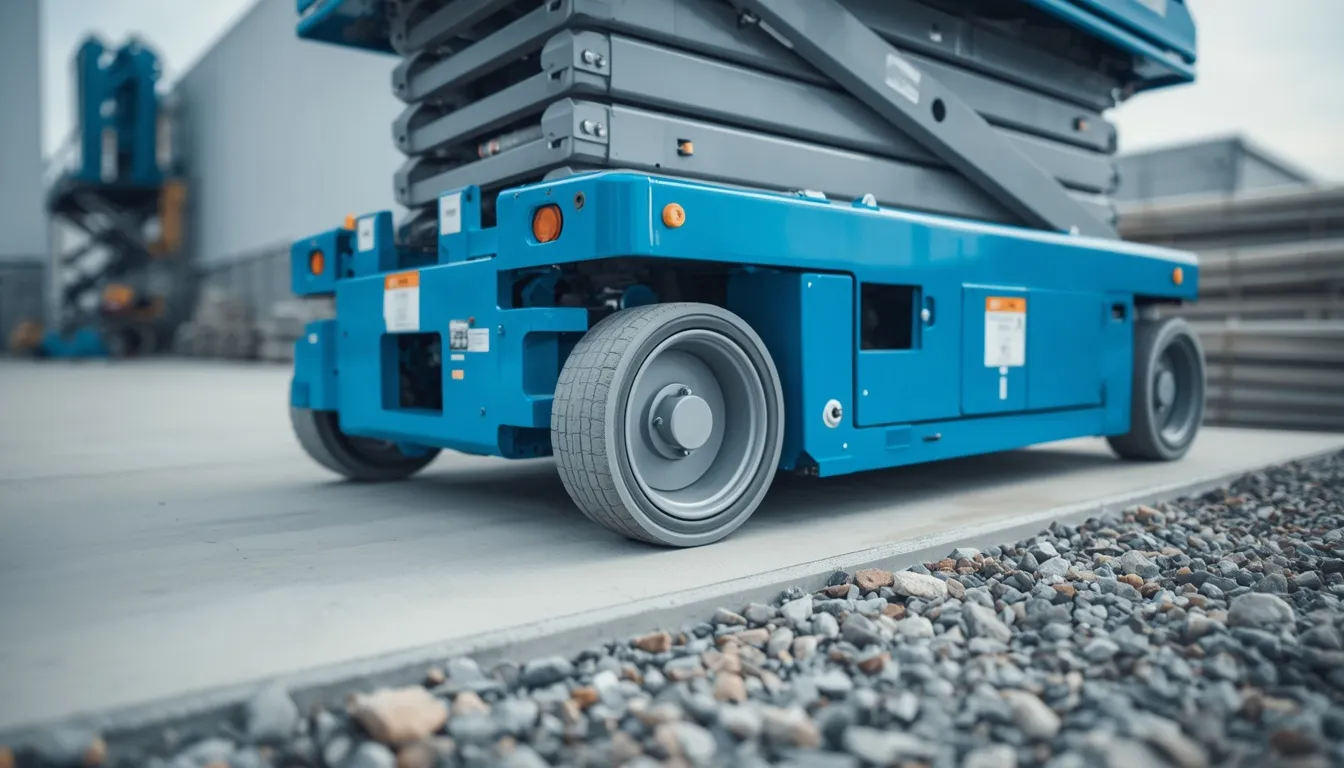
Ground clearance refers to the distance between the lowest point of the scissor lift's chassis and the ground beneath it. It's a small number on a spec sheet that has an outsized impact on where a machine can actually go.
Chassis Clearance vs. Platform Height
Contractors often confuse chassis clearance with platform height, but they're two different conversations entirely. Platform height indicates how high the machine can lift a worker. Chassis clearance indicates whether the machine can reach that spot in the first place. As we've talked about before, choosing the right lift for the task means considering both, not just how high it reaches.
Why Machine Configuration Matters
Not all scissor lifts are built the same underneath. Rough terrain models are designed with greater ground clearance to handle outdoor grading and debris, while slab-electric models sit lower to the ground for smooth indoor use. Running a low-clearance machine on an unprepared surface is one of the fastest ways to create a stability issue unrelated to the platform itself. For a deeper look at that split, see indoor vs outdoor scissor lift performance.
Evaluating Surface Conditions Before Equipment Arrival
Surface conditions change quickly on an active job, and what looked fine during the walkthrough might not hold up by the time the scissor lift arrives.
Gravel, Compacted Soil, and Changing Surfaces
Gravel and compacted soil can shift due to weather, recent grading, or foot traffic. A surface that supported equipment last week might have soft spots or ruts today. Always walk the actual path the lift will travel, not just the work zone, before deciding on ground clearance requirements.
Ramps and Surface Transitions
Transitions between surfaces, slab to gravel, gravel to a temporary ramp, are where clearance problems most often show up. #ProTip: Measure the steepest transition point on your travel path and confirm it against your machine's clearance and approach angle, not just its overall spec sheet number.
Scissor Lift Applications on Maryland Jobsites
Maryland's mix of commercial builds and active outdoor sites means ground clearance needs will vary from one project to the next.
Commercial Renovation Projects
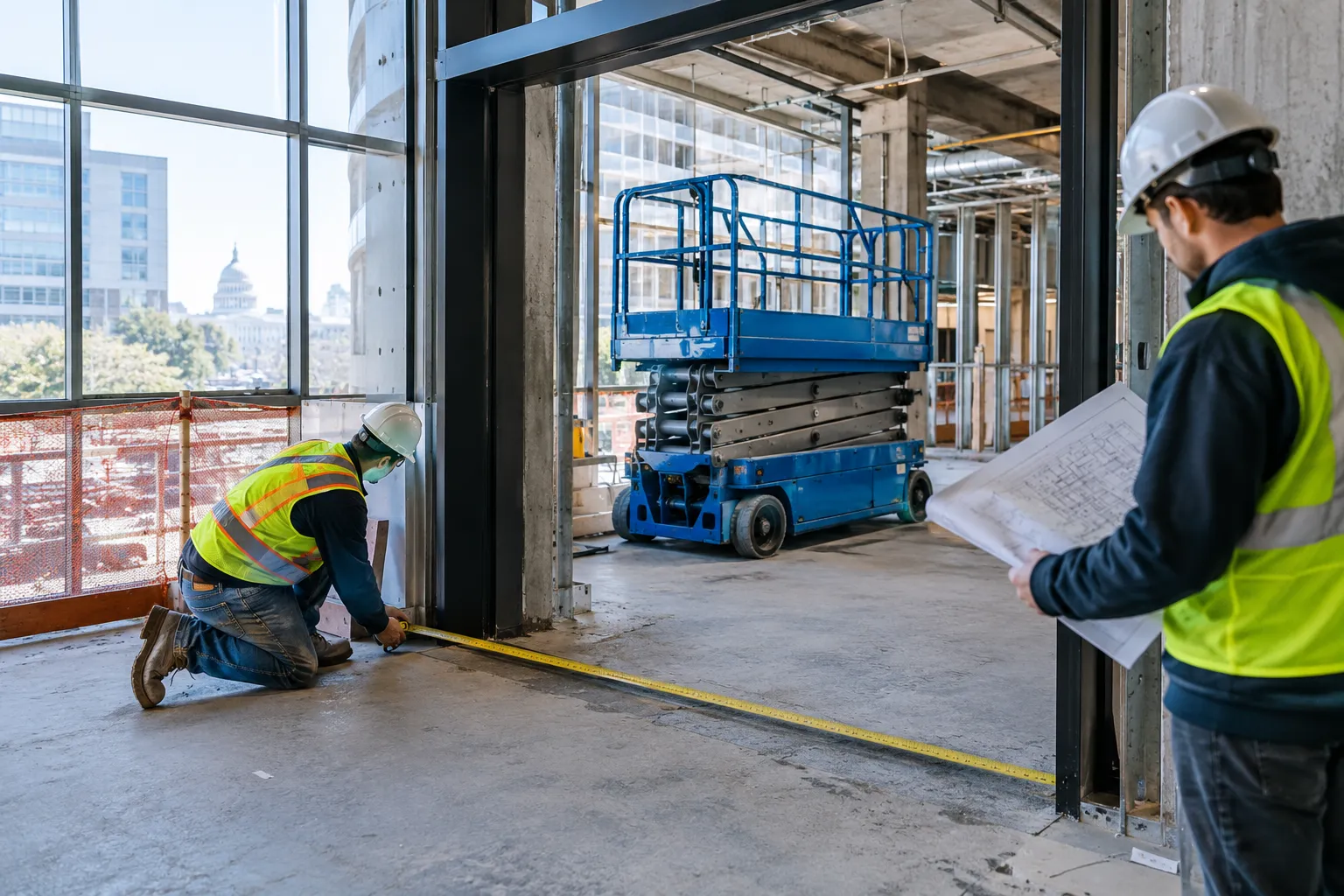
Interior commercial renovations across Maryland typically involve finished or near-finished floors, so a slab-electric scissor lift with lower clearance usually gets the job done without unnecessary bulk. These jobs are more about maneuverability in tight spaces than clearing rough ground.
Active Outdoor Construction Areas
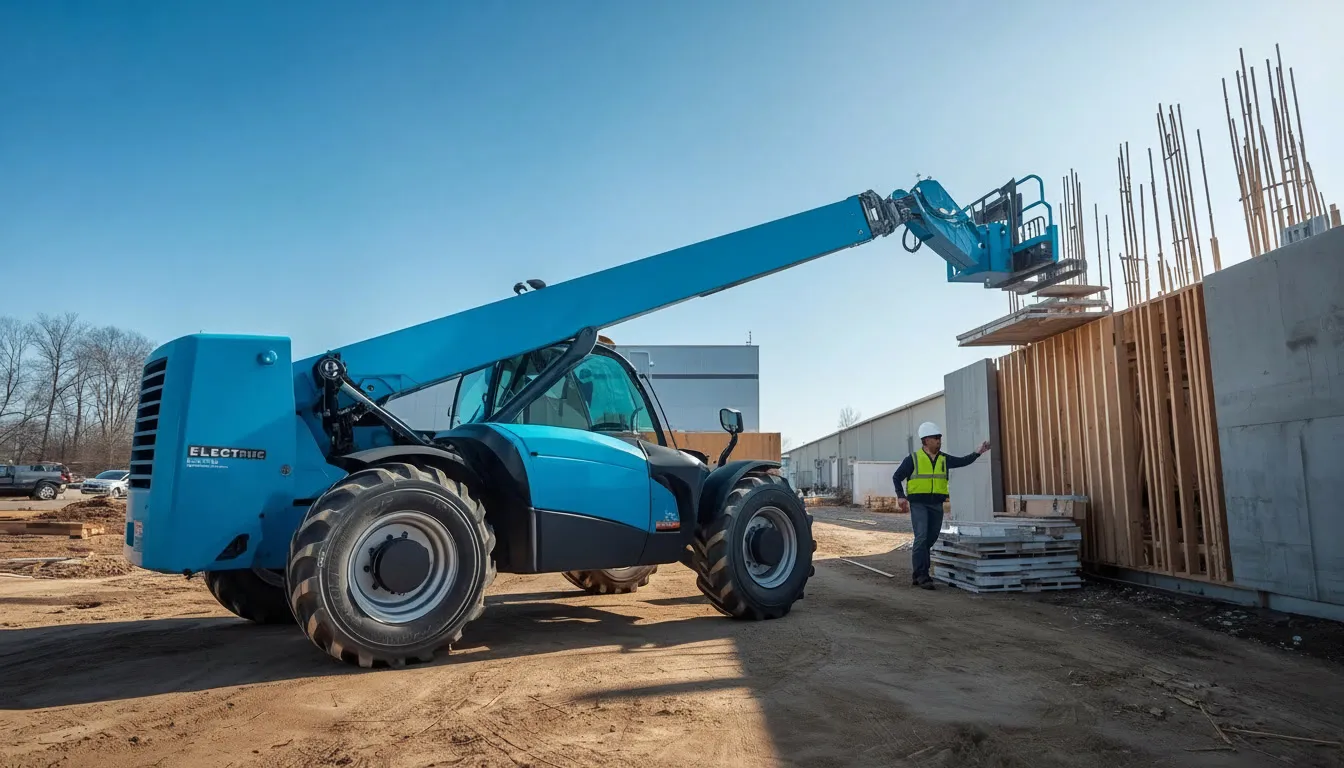
Outdoor construction areas tell a different story. Graded lots, staged materials, and temporary access roads all demand higher ground clearance to avoid getting hung up mid-task. A construction worker moving between staging areas and elevated work zones needs a machine that can actually make the trip without stalling out on uneven ground.
Matching Ground Clearance to the Job
Failing to plan is planning to fail, and clearance planning is one of the easiest steps to skip until it costs you time!
Build an Access Profile
Before requesting equipment, map out the entire travel route from the drop-off to the work zone. Note every change in surface, incline, and potential obstruction along the way. That access profile should drive your ground clearance decision more than the work itself does.
Avoid Selecting by Height Alone
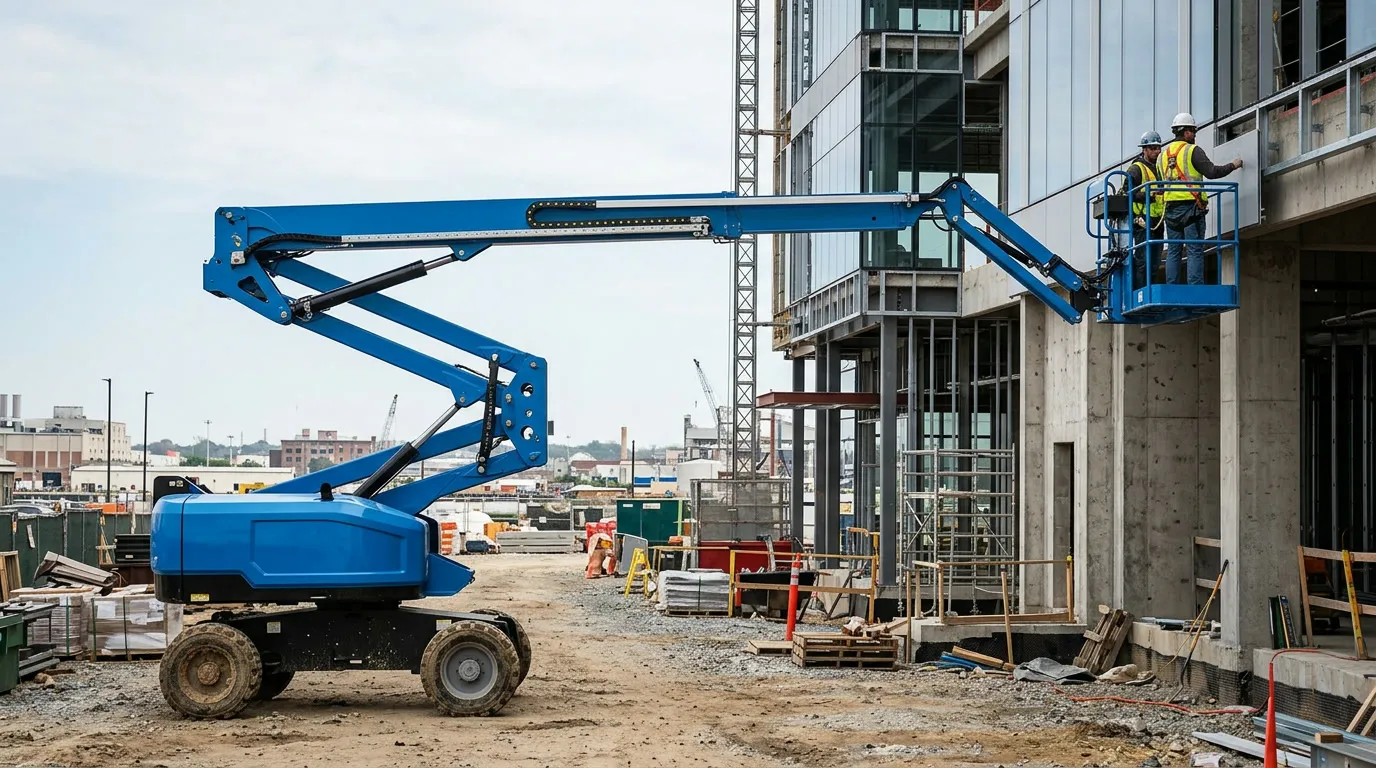
We've said this before, and we'll say it again: platform height is not the only number that matters. A machine that reaches high enough but can't physically get to the work zone isn't the right fit, no matter how good it looks on paper. The same goes for boom lifts on tight sites, where platform positioning matters as much as maximum height.
Rent the Right Scissor Lift for Your Maryland Project
Ground clearance isn't a detail to figure out after the machine gets stuck; it's a decision you make before it ever leaves the yard. At B&O Lift Rental, we help contractors across Maryland match the right scissor lift rental to their site conditions, from smooth commercial floors to rough outdoor grade. Get in touch and let's get to work!